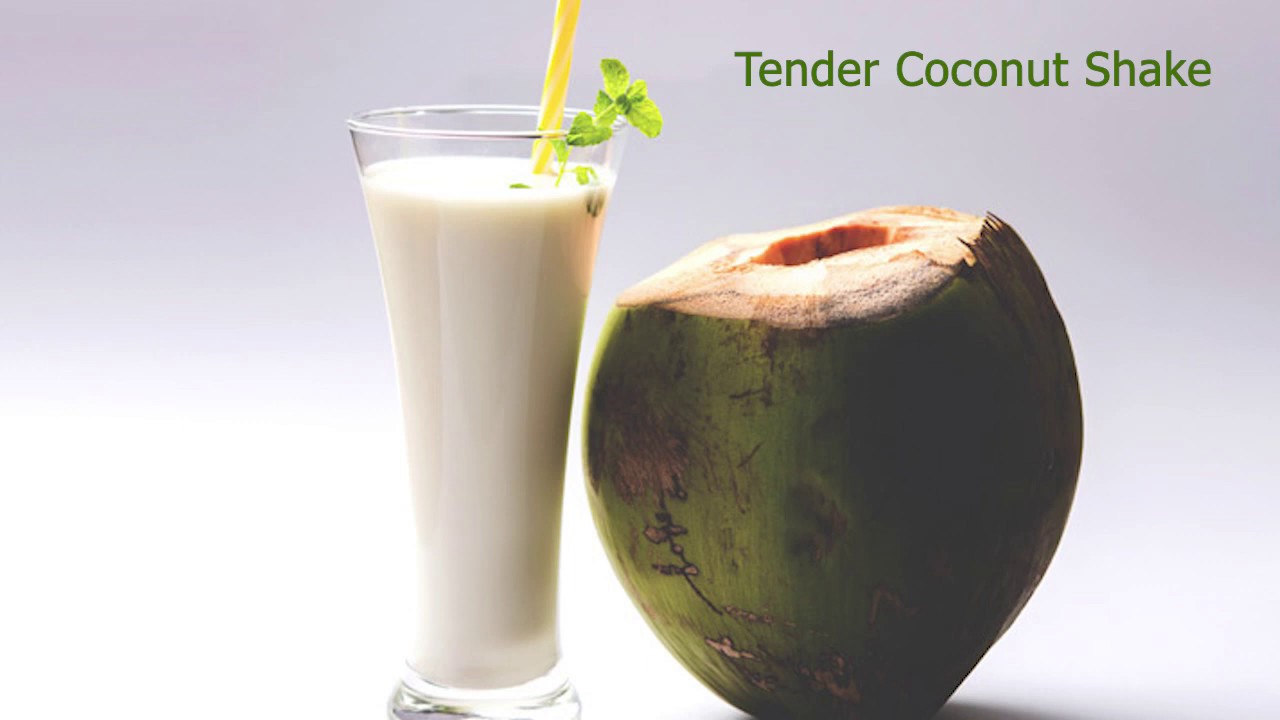
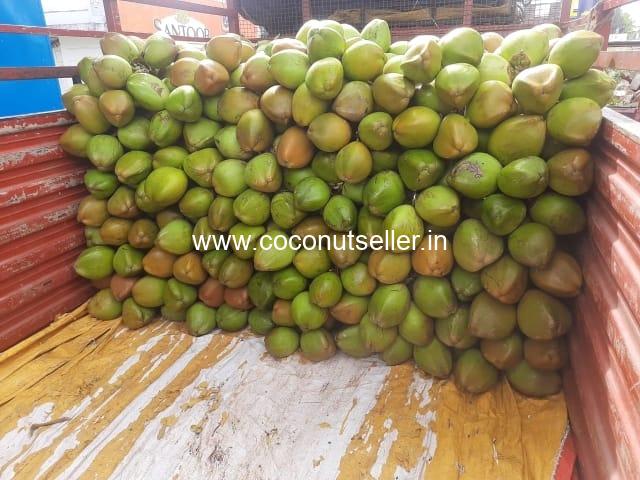
Coconut meat, also known as coconut flesh, is the edible white part of the coconut found inside the hard shell. It is rich in flavor and packed with nutrients, making it a versatile ingredient in both culinary and health contexts. Here’s a comprehensive look at coconut meat:
Types of Coconut Meat
- Young Coconut Meat:
- Texture: Soft, jelly-like, and tender.
- Taste: Sweet and delicate.
- Uses: Eaten fresh, used in smoothies, desserts, and salads.
- Mature Coconut Meat:
- Texture: Firm and dense.
- Taste: Rich, creamy, and slightly sweet.
- Uses: Grated for cooking, used in baking, made into coconut milk or oil.
Nutritional Benefits
- Healthy Fats: Contains medium-chain triglycerides (MCTs), which are quickly metabolized and provide a good source of energy.
- Fiber: High in dietary fiber, aiding in digestion and promoting a feeling of fullness.
- Vitamins and Minerals: Rich in vitamins C, E, B1, B3, B5, and B6, as well as minerals like iron, selenium, sodium, calcium, magnesium, and phosphorus.
- Antioxidants: Contains phenolic compounds that have antioxidant properties, helping to combat oxidative stress.
Culinary Uses
- Raw Consumption: Can be eaten fresh on its own as a snack.
- Grated or Shredded: Used in baking (cakes, cookies, breads), cooking (curries, soups), and as a topping for dishes like oatmeal or yogurt.
- Coconut Milk and Cream: The meat can be blended with water and then strained to produce coconut milk or cream, essential in many Asian cuisines.
- Desiccated Coconut: Dried and shredded coconut meat used in baking and as a garnish.
- Coconut Oil: Extracted from the meat, widely used in cooking, baking, and skincare.
Health Benefits
- Heart Health: The healthy fats in coconut meat can help improve cholesterol levels and reduce heart disease risk.
- Weight Management: MCTs in coconut meat may help with weight loss by increasing energy expenditure and promoting fat oxidation.
- Digestive Health: High fiber content aids in regular bowel movements and supports a healthy digestive system.
- Immune Support: Antioxidants and antibacterial properties help boost the immune system.
Storage
- Fresh Meat: Should be consumed soon after opening the coconut or can be stored in the refrigerator for up to a week.
- Dried or Desiccated: Stored in an airtight container in a cool, dry place, it can last for several months.
Preparation Tips
- Opening the Coconut: Use a hammer and a sturdy knife or a specialized coconut tool to crack open the shell and access the meat.
- Removing the Meat: After draining the water, use a knife or coconut scraper to separate the meat from the shell.
Coconut meat is not only delicious but also offers numerous health benefits, making it a valuable addition to a balanced diet.