Coconut culinary use Spread is a very innovative spread and versatile. It is made by grinding the dried flesh of mature coconuts. The meat of the coconut is so high in oils, the result is a delicious thick paste, very similar to sesame tahini and it is shelf stable. This spread contains over 60% medium chain fatty acids known for their anti bacterial, antiviral, anti parasitical and energy giving properties.
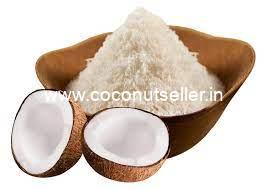
One medium coconut will yield 3 to 4 cups of grated meat. To extract the juice of the coconut (not to be confused with coconut milk), pierce two of the three indentations, or eyes, at one end with an ice pick. An average mature coconut yields about 240ml. of coconut cream and 360ml of coconut milk.
Sliced or chopped coconut can be added to preparations like wadas, sambhar etc to enhance its taste.
Grated coconut forms the basis of South Indian cooking to make gravies, curries etc.
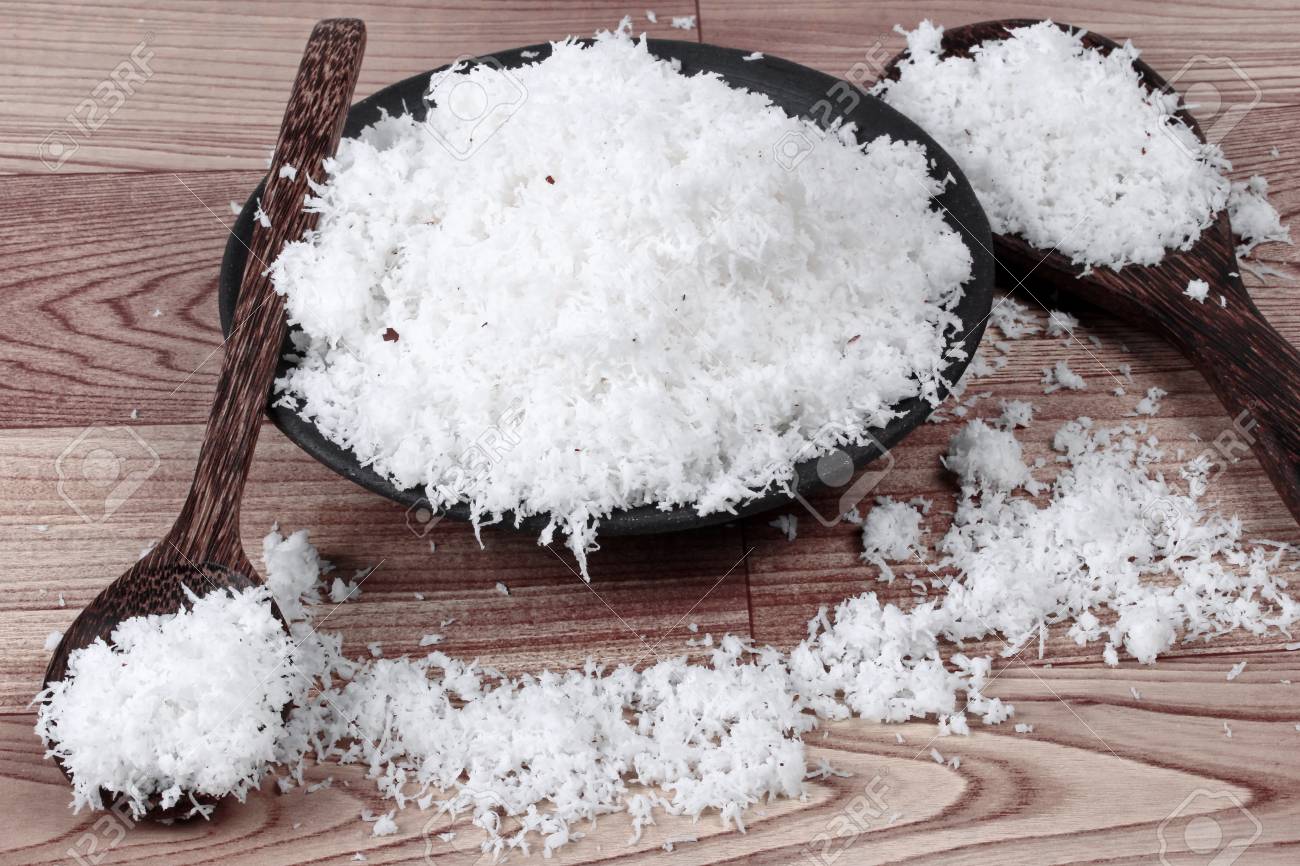
Fresh coconut is shredded or flaked for using in baked goods or candies.
Coconut milk, cream, water etc are use in recipes as flavor enhancers.
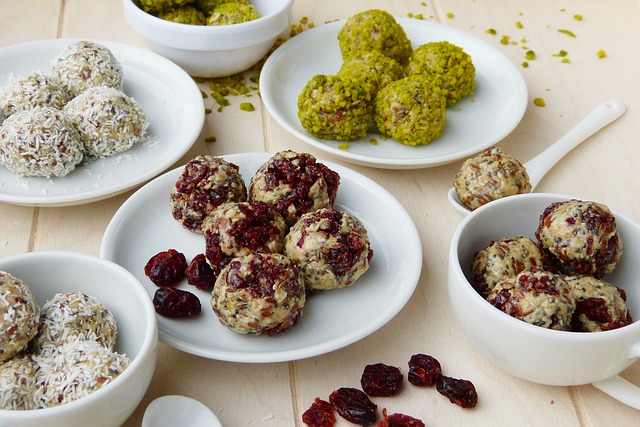
Coconut Culinary Use to make chutneys, podis, sweets like pongal and barfi etc.