Nata-de-coco

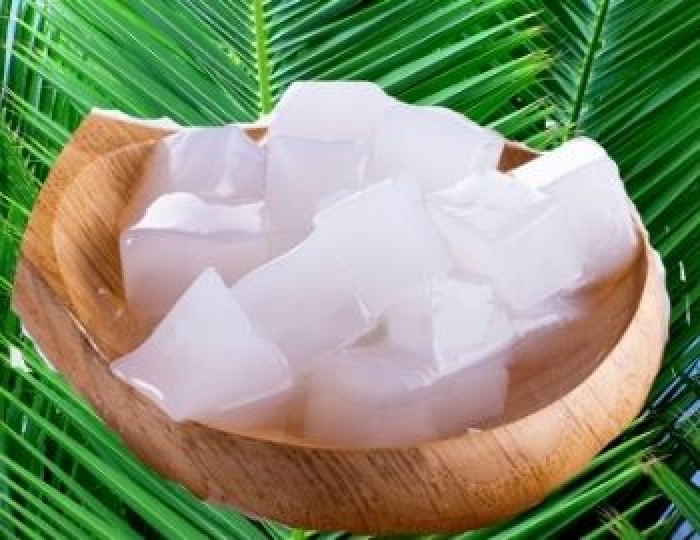
Nata-de-coco a cellulosic white to creamy yellow substance formed by acetobacter aceti subspecies Xylinium, on the surface of sugar enriched coconut water / coconut milk / plant extract / fruit juices or other waste materials rich in sugar.

It is popularly used as a dessert. It is also used as an ingredient in food products, such as ice cream, fruit cocktails, etc. “Nata” is a Spanish word, derived from the latin word “Natare” meaning “to float”. Nata making plays an important role in the development of our coconut industry because of the growing interest in its production from coconut water, an abundant waste product of coconut processing units.

Nata can be prepared from various fruits like banana, pineapple, tomato etc. and the product named after the media used, like “Nata de coco” from coconut, “Nata de pina” from pineapple etc. We can also use coconut milk, finely shredded coconut meat or coconut water in preparing Nata.

🕶 Relax!

Put your feet up and let us do the hard work for you. Sign up to receive our latest deals directly in your inbox.

We’ll never send you spam or share your email address.
Find out more in our Privacy Policy.

Leave a Reply

Your email address will not be published. Required fields are marked *

Explore More

Exporting fresh coconuts into China

A grade quality fresh coconuts

Exporting fresh coconuts into China involves several steps and considerations to comply with Chinese regulations and ensure successful entry into the market. Here are the key aspects to consider: Exporting

Export quality raw coconut

Raw coconut

This coconut is antiviral, anti fungal, antibacterial, and anti-parasitic, meaning it kills harmful bacteria, viruses, fungi, and parasites. … It could be consumed in variegated forms such as raw coconut, coconut

Coconut palm sugar

Coconut palm sugar

Coconut sugar, also known as coconut palm sugar, is made from the sap of the flower buds of the coconut palm tree. Here are some key points about coconut sugar: